How Long Does an ETF Sale Take to Settle? When You Can Use the Cash
ETF trades settle in one business day (T+1). Here is what that means for your cash, good faith violations, withdrawals, and a day-by-day example.
The short version
- US-listed ETFs settle one business day after the trade (called T+1). Sell on Monday, and the trade settles on Tuesday.
- You can usually buy something else right away with the proceeds, but in a cash account you can't safely sell that new purchase until the original sale has settled. Do that and you risk a good faith violation.
- You can only withdraw settled cash. Counting the bank transfer, plan on roughly two to three business days from sale to money in your bank.
An ETF sale settles one business day after you sell it. That's the T+1 rule: T is the trade date, and +1 is the next business day. Sell on Monday and the cash is officially yours on Tuesday. Until then it shows up as unsettled, and what you can do with it depends on your account type and your broker.
What settlement actually means
When you click sell, the trade happens in seconds. But the official handoff is a separate step. Settlement is when the shares officially move to the buyer and the cash officially moves to you. Behind the scenes, clearing firms do that paperwork.
For years, US stocks and ETFs settled two business days after the trade (T+2). The industry moved to one business day (T+1) in May 2024. So if an older article, forum post or YouTube video says two days, it's out of date for US-listed ETFs.
The ETF itself is what settles here, not the stocks inside it. A fund like VOO holds hundreds of companies, but your sale of VOO shares settles on the normal ETF schedule. If you want the bigger picture of what happens between your order and the fund, my guide on how an ETF works from your buy order to the fund walks through it.
Settled cash vs unsettled cash
Your broker usually shows these as separate lines. They are not the same thing.
- Settled cash: money that has fully cleared. You can use it for anything, including withdrawing it.
- Unsettled cash: proceeds from a sale that has not reached its settlement date yet. Most brokers let you spend it on new purchases, but with strings attached.
You may also see a line like "cash available to trade" or "buying power." That number can include unsettled money, so it's not always the same as what you can withdraw. When in doubt, look for a field called "settled cash" or "cash available to withdraw."
Account type matters a lot here:
- Cash account: you trade only with the money you have. Settlement rules apply directly.
- Margin account: your broker lends you short-term credit so you can trade before settlement without worrying about good faith violations. It comes with its own rules and risks, and you have to opt in.
- IRAs: these generally follow cash account style settlement rules, though brokers handle details differently. Check yours.
Step by step: what to do after you sell an ETF
- Note your trade date. The settlement date is the next business day. Weekends and market holidays don't count.
- Decide where the money is going. Into another investment, or out to your bank? That choice drives everything else.
- If you're reinvesting, check your broker's cash balance for the settled and unsettled split before you place the new order.
- If you buy with unsettled cash, make a note not to sell the new position until the original sale has settled.
- If you're withdrawing, wait until the next business day, confirm the cash shows as settled, then start the transfer to your linked bank account.
- Check the transfer timeline with your broker. Many take one to three business days to land at the bank.
Worked example: sell Monday, buy something else
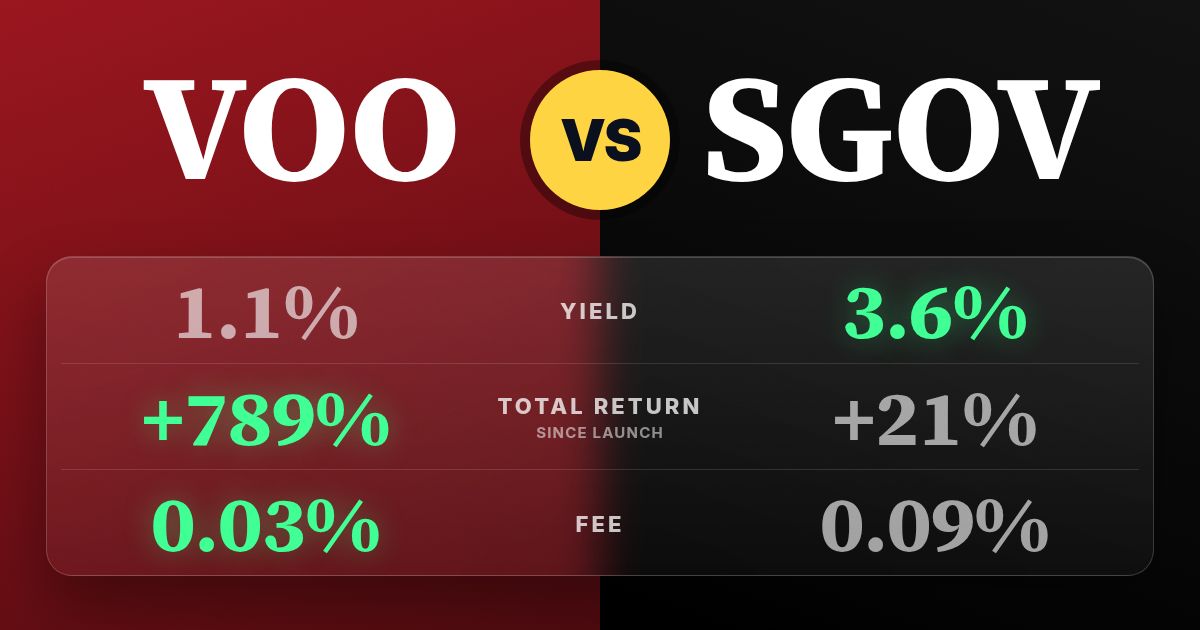
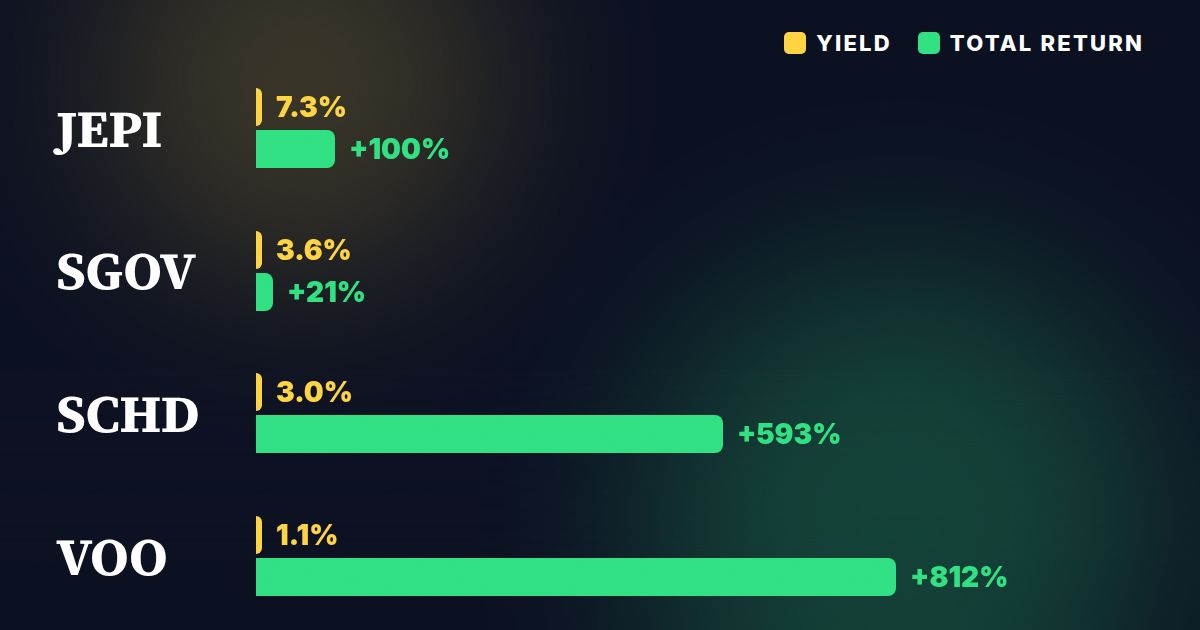
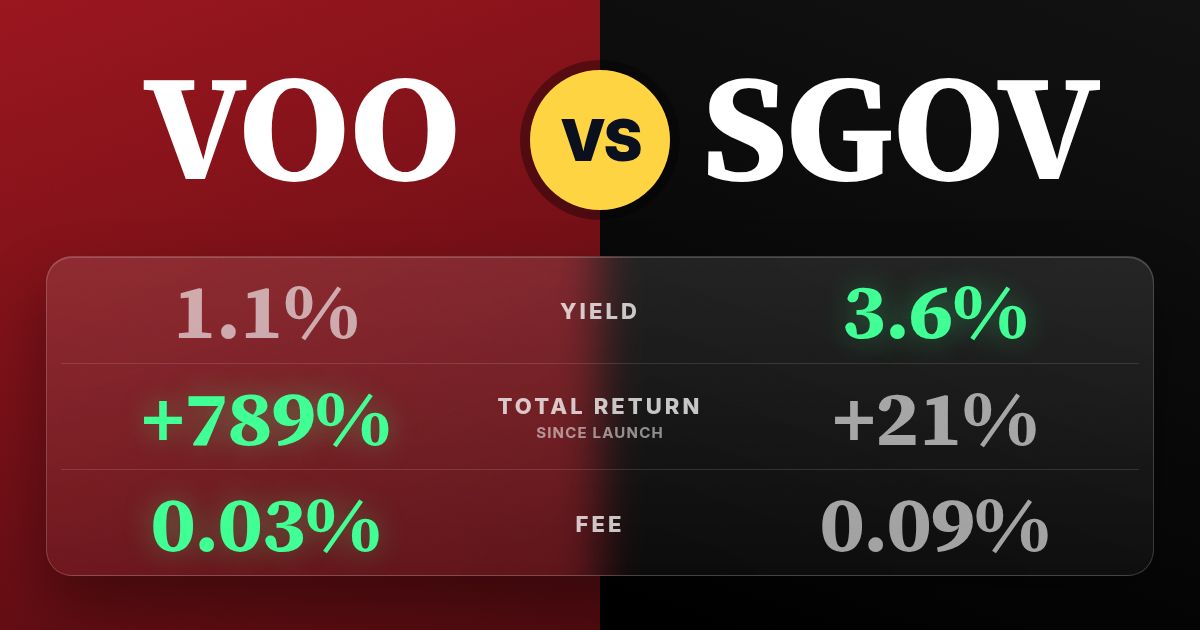
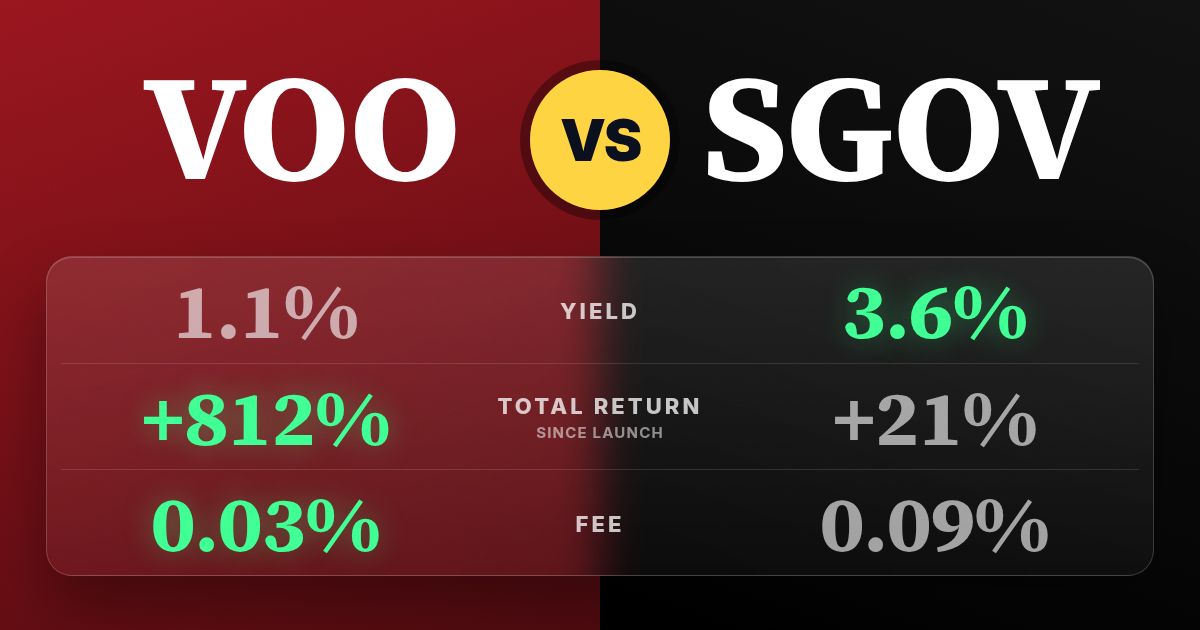
Let's say you hold VOO in a taxable cash account and sell $10,000 worth on Monday. You want to move that money into a Treasury bill ETF like SGOV. The $10,000 is a hypothetical amount, and all of this assumes no market holidays that week.
| Day | What happens | Cash status | OK to do? |
|---|---|---|---|
| Mon | Sell $10,000 of VOO. Buy $10,000 of SGOV right after. | Unsettled | Buy: yes at most brokers |
| Mon | Sell the SGOV later that day. | Unsettled | No: good faith violation risk |
| Tue | VOO sale settles. Your $10,000 is now settled cash. | Settled | Sell SGOV or withdraw |
| Wed or Thu | A bank transfer started Tuesday typically arrives. | In your bank | Spend it |
So the path from Monday sale to cash in your bank account is usually about two to three business days. If you only want to reinvest, you can be fully invested again on Monday afternoon.
One wrinkle: the SGOV purchase itself also settles on Tuesday. Once the VOO sale has settled on Tuesday, the money that paid for SGOV is settled. From that point, selling SGOV is clean.
Good faith violations in cash accounts
A good faith violation (GFV) happens in a cash account when you buy a security with unsettled money and then sell that security before the money that paid for it has settled. You essentially promised to pay with money you did not fully have yet.
Here's the simple version of the test. Ask yourself: "Is the cash that paid for this purchase still unsettled?" If yes, don't sell the thing you just bought.
Broker policies differ, but the general pattern is:
- Your broker sends a warning after the first violation.
- After several violations within a year, the account may be restricted to settled-cash-only trading for a period, often around 90 days.
- A violation doesn't usually cost you money directly. The pain is the restriction.
There is a related and more serious issue called freeriding, where you buy and sell without ever having the money to pay. Beyond a stricter restriction, that's really a rule-breaking problem rather than a settlement hiccup, so don't treat the two as the same thing. Your broker's help page will spell out its exact policy, and I would read it once before you start trading around in a cash account.
The easy way to avoid all of this: after you sell, wait one business day before you sell anything you bought with that money. If you're a long-term investor, this rule almost never matters. It bites people who flip positions quickly.
Withdrawing your proceeds
Withdrawing is stricter than reinvesting. You generally cannot pull out unsettled money. You wait until the sale settles, then request a transfer.
After that, the clock depends on how you move the money:
- Electronic transfer to a linked bank (ACH): usually one to three business days after you request it.
- Wire: often faster, often the same day or next day, but many brokers charge a fee.
- Paper check: slowest, often a week or more once mail time is included.
Cutoff times matter too. A request made after your broker's daily cutoff is often treated as the next business day. If you need the money on a specific date, like a down payment or a tax bill, start the process earlier than you think you need to.
One more related point. If you place a sale after the market closes, it's queued for the next trading session, and the settlement clock starts from that trade date. I cover that in detail in what actually happens when you sell an ETF after the market closes.
Edge cases that change the timing
- Weekends and holidays: settlement only counts business days. Sell on Friday and it settles Monday. If Monday is a market holiday, it settles Tuesday.
- Margin accounts: your broker may give you instant buying power on the proceeds. That helps with reinvesting, but withdrawing still generally needs settled funds. Margin also has risks of its own, so don't switch it on just to dodge settlement timing.
- Mutual funds: they work differently from ETFs. Orders fill at the end-of-day price, and the settlement timeline can vary. Don't assume it's identical to ETFs.
- Non-US ETFs and foreign exchanges: other countries have their own settlement cycles. This guide is about US-listed ETFs.
- Taxes: for most tax purposes, your sale is tied to the trade date, not the settlement date. A sale near December 31 can matter. Confirm details with a tax professional.
- Dividends: settlement timing affects who owns the shares on the key dividend dates. I walk through that in how ETF dividends work, including ex-dividend and pay dates.
Common mistakes
- Selling the thing you just bought. In a cash account this is the classic good faith violation.
- Assuming "available to trade" means "available to withdraw." They are often different numbers.
- Trusting old T+2 advice. Settlement moved to T+1 for US ETFs and stocks in 2024.
- Forgetting the bank leg. Settlement is only the first step. Moving the money to your bank takes extra time.
- Ignoring holidays. A long weekend can add a full day to the timeline.
- Using margin just to avoid waiting. Borrowing has real costs and risks. Waiting one day is almost always free.
Quick checklist
- Write down the trade date and add one business day.
- Look at settled cash, not just buying power.
- In a cash account, don't sell anything bought with unsettled funds.
- Start withdrawals once the cash shows as settled, and before the broker's cutoff.
- Add one to three business days for the bank transfer.
- Read your broker's policy on good faith violations once, so you know the exact rules.
If you want to see what fees and assets look like before you move money, try the ETF screener or the calculators. If you're still getting comfortable with the basics, what an ETF is in plain English is a good starting point.
FAQ
Is ETF settlement T+1 or T+2?
For US-listed ETFs and stocks, it's T+1, meaning one business day after the trade. The old T+2 standard ended in May 2024.
Can I buy another ETF before my sale settles?
At most brokers, yes. You can use unsettled proceeds to buy. In a cash account, just don't sell the new purchase until the original sale has settled.
Can I withdraw money the same day I sell an ETF?
Generally no. Withdrawals need settled cash, so you typically wait until the next business day, and then your broker's transfer time applies.
Do good faith violations cost money?
Usually not directly. The consequence is typically a warning, then a restriction to settled-cash-only trading if they pile up. Check your broker's specific policy.
Does settlement happen on weekends?
No. Only business days count. A Friday sale settles on Monday, or Tuesday if Monday is a market holiday.
Does the settlement date change when I owe taxes?
For most tax purposes, the sale counts on the trade date. Confirm anything time sensitive, especially near year end, with a tax professional.
Benjie's bottom line
Settlement sounds technical, but the practical version is simple. Sell today, cash settles tomorrow, and it takes a bit longer to reach your bank. If you're just reinvesting, you can usually do it right away, as long as you don't flip the new position in a cash account before the old sale settles.
The people who get tripped up are the ones who trade quickly or who need cash by a hard deadline. If that's you, plan a few extra days. This isn't a buy or sell signal, and rules vary by broker and account type, so confirm the details with your own broker or a tax professional.
ETFs in this story
How this article was made: Benjie picks every topic based on what he finds useful as a dividend investor and what readers ask about. Parts of this article were drafted with help from AI tools, then edited, fact-checked and shaped by Benjie. All fund numbers come from the TopETFs database and update daily.
Disclaimer: TopETFs.com is published by Dividend Empire LLC for educational and entertainment purposes only. We are not financial advisors, and nothing on this site is financial advice, a recommendation, or a solicitation to buy or sell any security. ETF data is compiled from public sources and fund issuers, may be delayed, inaccurate or outdated, and may differ from the fund sponsor's own figures. Yields are trailing distribution yields, are not guaranteed, and distributions may include return of capital, which reduces your cost basis and is not a measure of performance. Total returns are since each fund's inception unless noted and are not comparable across funds with different start dates. Past performance does not guarantee future results. Investing carries risk, including loss of principal. Read each fund's prospectus and consult a licensed financial advisor before investing. Dividend Empire LLC receives compensation from ETF issuers for sponsored placements, which are labeled as such.